
Myofascial Cupping Therapy in Dewsbury & Batley, UK
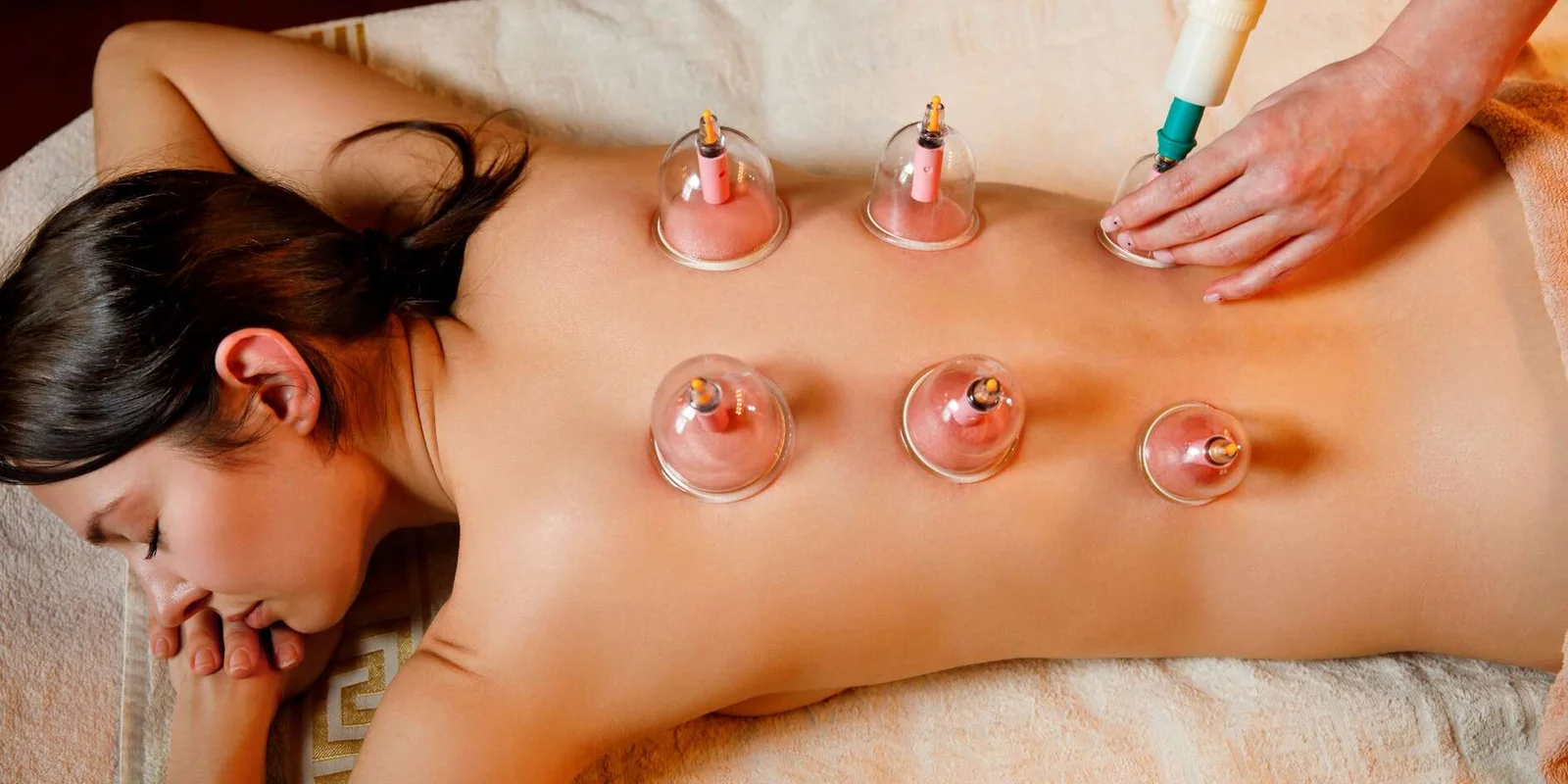
Most massage techniques work by pressing down into the muscle. Myofascial cupping therapy does the opposite — it lifts. By creating gentle suction on the skin and soft tissue, cupping decompresses the layers of fascia that sit between your muscles, allowing them to move freely again. It is this fundamental difference that makes cupping effective for problems that traditional massage alone sometimes cannot fully reach.
At Naseem Sports Therapist in Ravensthorpe, we use myofascial cupping as both a standalone treatment and as part of a broader therapy plan — particularly for clients dealing with chronic tension, restricted movement, or slow recovery after physical activity.
What myofascial cupping actually treats
Fascia is the connective tissue that wraps around every muscle in your body. When it becomes tight, dehydrated, or stuck through overuse, injury, poor posture, or simply not moving enough, it restricts how well the underlying muscle can function. You feel this as stiffness, a limited range of motion, or that persistent ache that never quite goes away no matter how much you stretch.
Myofascial cupping addresses this by lifting the tissue rather than compressing it. The suction creates space within the fascia, draws fresh blood into the area, and begins to break down the adhesions that have built up over time. For many clients, the relief after even a single session is noticeable — not because it is a quick fix, but because it targets the actual source of the restriction.
Common conditions that respond well to this treatment include chronic back and shoulder tension, neck stiffness, restricted hip mobility, and muscle tightness that persists despite regular sports massage.
Static cupping vs myofascial glide
There are two main ways we apply cupping at our Dewsbury clinic, and your therapist will choose the most appropriate approach based on what your body needs.
Static cupping involves placing cups on specific points and leaving them in position for a few minutes. This is better suited for deeper, more localised tension — tight spots in the upper back, around the shoulder blades, or along the lumbar spine.
Myofascial glide involves moving the cups slowly across the skin while suction is maintained. This technique works along the full length of a muscle or fascial line, making it particularly effective for broader areas of restriction — the back of the legs, the IT band, or the full length of the spine.
In many sessions, both techniques are used together, depending on how the tissue responds during treatment.
The marks, what they mean and how long they last
Cupping often leaves circular marks on the skin. These are not bruises in the traditional sense — they are caused by blood being drawn to the surface of the tissue as circulation improves in that area. The darker the mark, the more stagnation was present in that spot.
They are completely normal, painless, and typically fade within three to seven days. Most clients stop noticing them after their first couple of sessions, as the tissue becomes healthier and circulation improves with regular treatment.
Myofascial cupping for sports recovery
Athletes and regularly active people tend to respond particularly well to myofascial cupping therapy because their muscles are under consistent demand. The therapy supports recovery by improving circulation to fatigued tissue, reducing the delayed onset muscle soreness that follows intense training, and restoring mobility in joints that have stiffened up between sessions.
We often combine cupping with deep tissue massage for clients who are in active training, as the two techniques complement each other well — cupping lifts and decompresses, while deep tissue work then addresses the muscle fibres directly.
For clients managing back pain or recovering from a shoulder injury, cupping is often one of the first techniques we introduce because it creates the conditions for deeper therapeutic work to be more effective.
Hijama and myofascial cupping: what is the difference
We offer both myofascial cupping and hijama cupping therapy at our clinic, and clients sometimes ask how they differ.
Myofascial cupping is a modern soft tissue technique focused entirely on releasing fascial restriction and improving muscular function. It uses dry suction cups and is rooted in sports therapy and physiotherapy practice.
Hijama is a traditional Islamic and holistic therapy that involves wet cupping. Small incisions are made after the suction phase to draw out a small amount of blood. It has its own set of benefits and is performed under strict hygiene protocols by our trained therapists.
Both are available at Naseem Sports Therapy. If you are unsure which is more appropriate for your needs, your therapist will guide you during the consultation.
What to expect at your session
Your therapist will begin with a short consultation to understand where you are experiencing restriction or discomfort, your activity level, and any relevant medical history. From there, they will select the cups, technique, and pressure level that suit your body.
Sessions typically run between 30 and 60 minutes. The sensation during treatment is unusual at first — a pulling, stretching feeling rather than pressure — but most clients find it deeply relaxing once they settle in. Your therapist will check in with you throughout and adjust as needed.
Afterwards, it is recommended to drink plenty of water and avoid intense physical activity for 24 hours to allow the tissue to settle properly.
Book Your Myofascial Cupping Session Today
Naseem Sports Therapist
24 Garden St, Ravensthorpe, Dewsbury WF13 3AR
+44 7856 964492
Open 7 days a week — 10:00 AM to 10:00 PM
Serving clients from Dewsbury, Batley, Heckmondwike, Mirfield, and the wider West Yorkshire area.
If you are ready to address the tension that keeps coming back, myofascial cupping therapy at Naseem Sports Therapist offers a deeper solution. Book your appointment today and give your body the recovery it actually needs.