
Dry Needling Therapy in Dewsbury & Batley
Some muscle pain does not come from the muscle being weak or overworked in a general sense. It comes from a specific point within the muscle, a trigger point, that has become locked in a state of contraction and refuses to release on its own. Dry needling therapy is built specifically to address this, using fine needles to reach those points directly and prompt the muscle to finally let go.
At Naseem Sports Therapist, dry needling has become one of the most effective tools we use for clients whose pain has not fully resolved through massage or stretching alone.
What trigger points actually are
A trigger point is a small area within a muscle where the fibres have contracted and stayed that way, often without the person being fully aware of it until pressure is applied directly to the spot. These points can cause local pain, but they often refer pain elsewhere too, a trigger point in the shoulder might cause discomfort that runs down the arm, or one in the glutes might mimic sciatic pain down the leg.
This referred pain pattern is part of why trigger points are so often missed or misdiagnosed. Treating the area where the pain is felt does not always resolve anything if the actual trigger point sits somewhere else entirely. Myofascial pain involving these points is involved in a large proportion of chronic pain cases, which is part of why dry needling has become such a widely used technique in sports therapy and rehabilitation.
How dry needling works
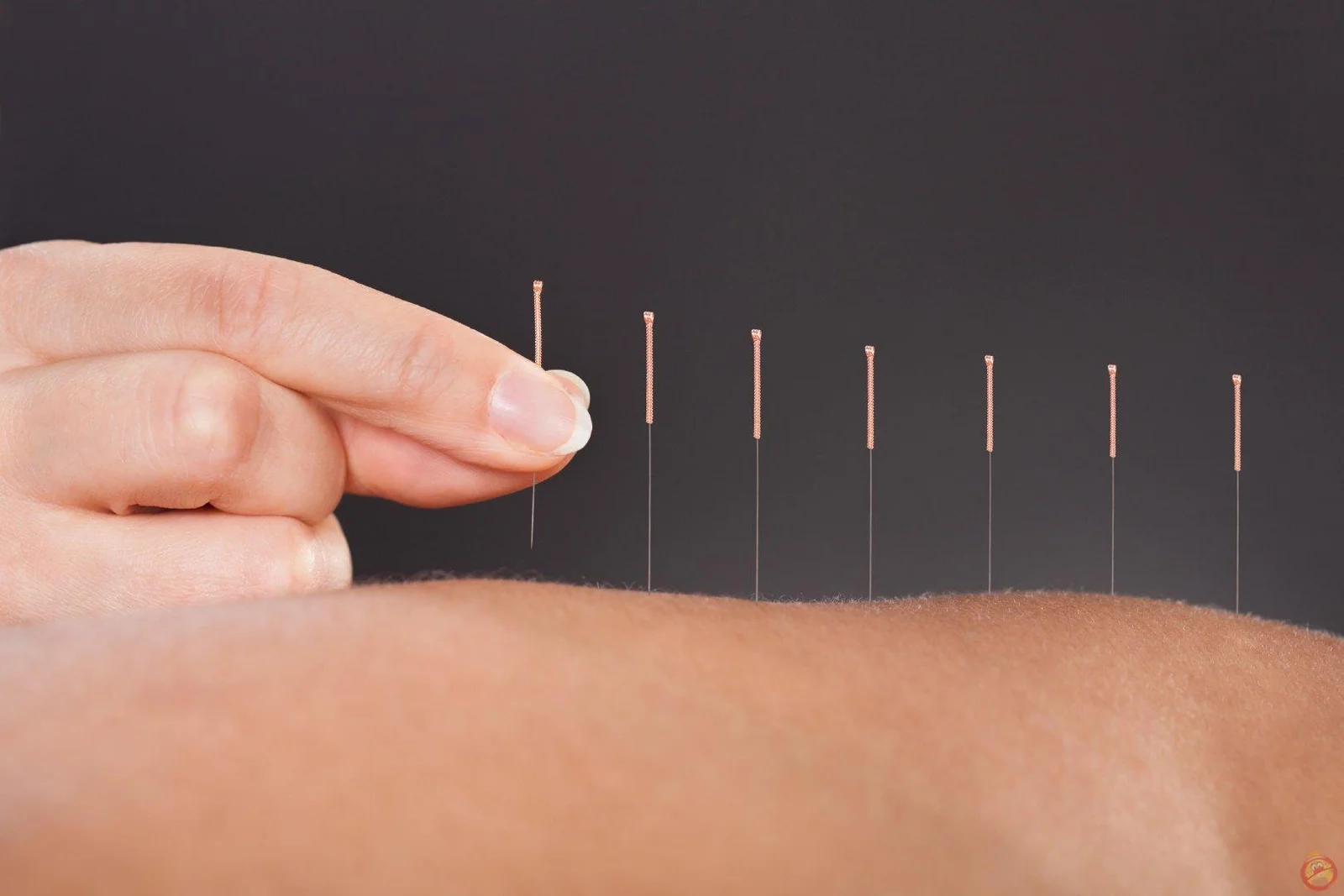
The treatment uses fine, sterile, single use needles, similar to those used in acupuncture but applied with a different purpose. Your therapist inserts the needle directly into the identified trigger point, often producing a brief muscle twitch as the fibres respond and release.
That twitch response is actually the goal. It signals that the contracted fibres are letting go, and it is usually followed by an immediate sense of reduced tension in the muscle. The increased blood flow that follows helps clear the area of the chemical byproducts that build up around an active trigger point, supporting longer term healing rather than just temporary relief.
Most clients feel some mild discomfort during the twitch response itself, but it passes quickly, and many describe a noticeable looseness in the muscle almost immediately afterward.
Conditions dry needling commonly helps with
This treatment at our Dewsbury clinic is regularly used for:
- Lower back pain, particularly where trigger points in the lumbar muscles contribute to ongoing discomfort
- Sciatic discomfort, where trigger points in the glutes or piriformis can mimic or worsen sciatic symptoms
- Neck and shoulder tension, especially the kind that builds up from desk work or stress
- Knee pain linked to tightness in the quadriceps or surrounding muscles
- Tennis elbow, where forearm trigger points often play a significant role
- Hamstring and calf tightness that persists despite regular stretching
What to expect at your session
Your therapist begins with a thorough assessment, asking about your pain pattern, when it started, and what makes it better or worse. They will then physically examine the relevant muscles to locate active trigger points, which often involves checking areas beyond where the pain is actually felt, since trigger points frequently refer pain elsewhere.
Once the trigger points are identified, fine needles are inserted into each one, usually left in place briefly or manipulated slightly to encourage the twitch response. The number of points treated depends on your specific situation, and your therapist will explain what they are doing throughout.
Some mild soreness in the treated area is common for a day or two afterward, similar to how a deep massage might feel. This typically resolves quickly and is often followed by a noticeable improvement in mobility and reduced pain.
Combining dry needling with other treatments
Dry needling tends to work best as part of a broader treatment plan rather than in isolation. At Naseem Sports Therapist, it is often combined with sports massage, where the massage helps maintain the looseness achieved through needling and addresses the wider muscle group around the trigger point.
For clients dealing with persistent sciatic symptoms, dry needling frequently complements our sciatica treatment approach, addressing the trigger points that are often a hidden contributor to ongoing nerve irritation. It is also commonly paired with spinal mobilisation and manipulation for clients whose back pain involves both joint restriction and active trigger points.
Book Dry Needling Therapy in Dewsbury & Batley Today
Naseem Sports Therapist, 24 Garden St, Ravensthorpe, Dewsbury WF13 3AR
+44 7856 964492
Open 7 days a week, 10:00 AM to 10:00 PM
Serving clients from Dewsbury, Batley, Heckmondwike, Mirfield, and the wider West Yorkshire area.
If a stubborn knot or trigger point has been limiting your movement no matter what else you have tried, dry needling therapy at our Dewsbury clinic offers a direct way to finally release it. Book your session today and give that muscle the chance to properly let go.